

There is something magical about road trips. The freedom to choose your route, stop where you want, change plans. But that freedom comes with responsibility.
And the first responsibility is to make sure your car is ready to take you (and back) safely.
This checklist is not paranoia. It's preparation. Because being stranded on a lonely road is not an adventure, it is an unnecessary risk.
1. TIRES: THE BASIS OF EVERYTHING
Why it is critical: Tires are the only thing that connects your car to the road. If they fail, everything fails.
What to check:
✓ Air pressure: Check them when they are cold (before driving). The correct pressure is in your car manual or on a label inside the driver's door.
✓ Drawing depth: If the tread is worn, you will not have grip in curves or in the rain. Use the coin test: insert a coin into the drawing. If you see the entire head of the figure, they are too worn out.
✓ Spare tire: Check that you have it, that it is inflated, and that you have the tools to change it (jack, cross key).
Why it matters for your security: A low tire can burst on the road. And if that happens in a lonely place, you are vulnerable. Preventing this takes 5 minutes.
2. LIGHTS: BE SEEN AND SEE
Why it is critical: The lights are not just for you. They are for others to see you. On the road, especially at night or in fog, being invisible is dangerous.
What to check:
✓ Front lights (high and low): Let them both turn on, so that they are not opaque.
✓ Rear lights: Brake, reverse, turn signals. Have someone help you check them while you activate them.
✓ Emergency lights: Let them work. You'll need them if you have to stop on the road.
Why it matters for your security: If your lights fail at night, not only do you not see. They don't see you either. And that's a recipe for accidents. Additionally, if you have to make an emergency stop, you need other drivers to see you clearly.
3. BRAKES: YOUR BEST EMERGENCY TOOL
Why it is critical: Brakes are your last line of defense. If something goes wrong, you need them to respond perfectly.
What to check:
✓ Noise when braking: If you hear squeaking or grinding, it is a sign that the pads are worn.
✓ Pedal response: The brake should not feel spongy or sink to the bottom.
✓ Brake fluid: Check the level in the tank (under the hood). If it is low, there may be a leak.
Why it matters for your security: On the highway you go at higher speeds. You need to be able to brake quickly and with control. If your brakes fail on a downhill or sharp turn, there is no plan B.
4. OTHER CRITICAL ELEMENTS
Engine oil: Check the level with the dipstick. If it's low, refill it. An engine without oil can be damaged on the road.
Coolant liquid: If your car overheats, you're going to have to stop. In the middle of summer or on long routes, this is more common than you think.
Battery: If your battery is more than 3-4 years old, consider it a risk. Have it checked at a shop before you leave.
Windshield wipers: That they work and that you have windshield washer fluid. In a sudden rain or mud, you need clear visibility.
5. EMERGENCY EQUIPMENT YOU SHOULD ALWAYS CARRY
Beyond checking your car, there are things you should bring in case something goes wrong:
✓ Emergency triangles (mandatory in Chile) ✓ reflective vest ✓ Flashlight with charged batteries ✓ First aid kit ✓ bottled water ✓ Cell phone charger for the car ✓ Pass-through cables (in case the battery fails) ✓ thermal blanket (especially in winter or mountain routes)
Why it matters for your security: If your car breaks down in a lonely place, these items can be the difference between being safe and vulnerable. They don't take up much space, but they can save you.
6. BEFORE YOU LEAVE: THE FINAL CHECKLIST
Before starting the car, make sure:
✓ Notify someone you trust of your route: Tell them where you are going, when you are leaving, and when you should arrive.
✓ Share your location in real time: Use Google Maps or WhatsApp so someone can follow your journey.
✓ Have your cell phone charged to 100%
✓ Carry an extra power bank
✓ Check the weather and route conditions: Some routes are closed due to snow, rain, or accidents.
THE GOLDEN RULE: IF SOMETHING DOESN'T FEEL RIGHT, DON'T GO OUT
If your car makes strange noises, if something doesn't work right, if you have doubts: don't go out.
Taking your car in for inspection can cost you time and money. But getting stranded on a lonely road can cost you much more than that.
Security is no exaggeration. It is intelligence.
Traveling by road is one of the most liberating experiences that exist. But freedom without preparation is only risk.
Check your car. Carry the essentials. Notify your route. And trust that if you did everything right, your trip will be exactly what it deserves to be: a worry-free adventure.
Because prevention is always safer than improvising.
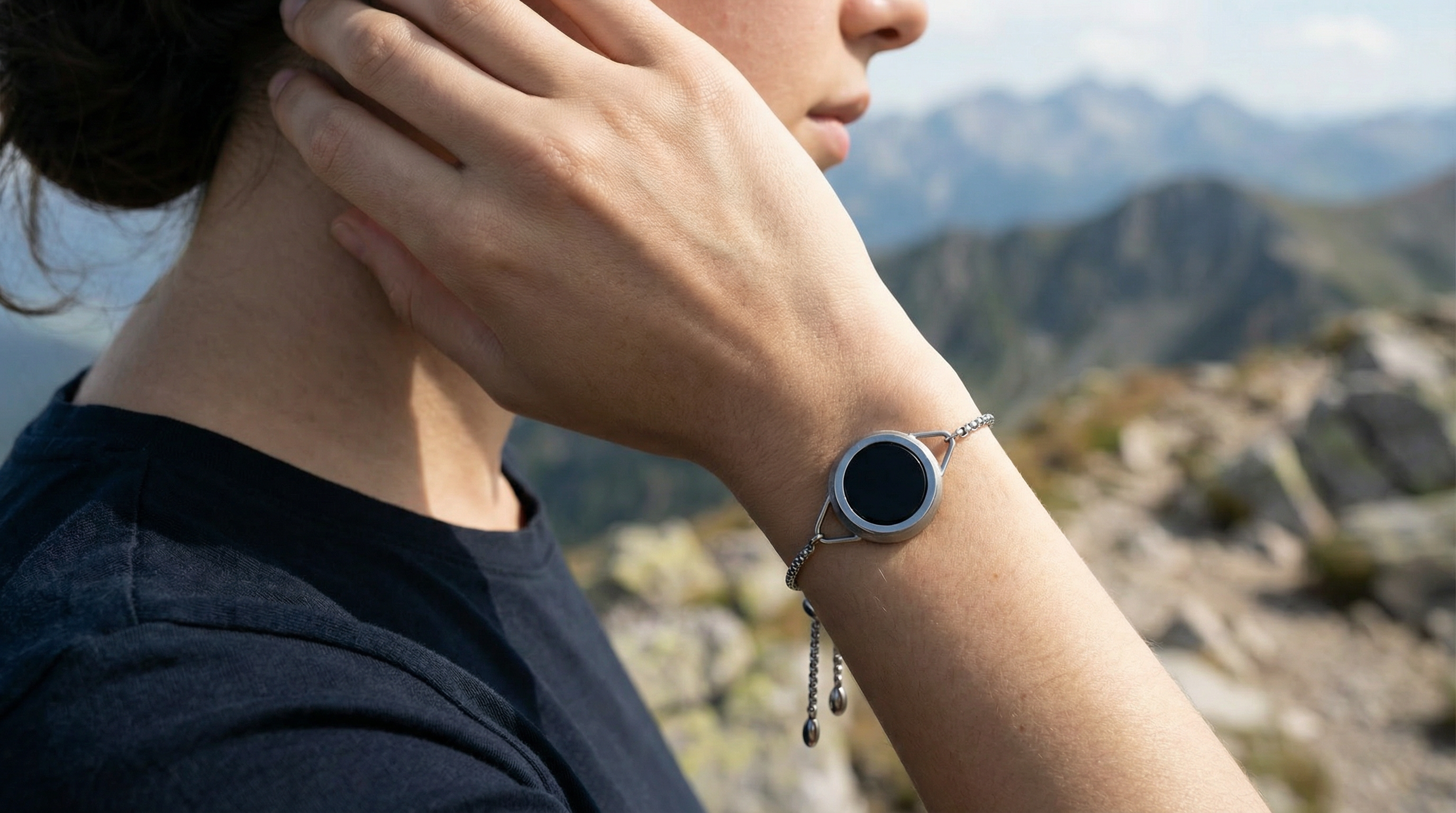
✨ And if you want an extra level of peace of mind, always carry a quick way to ask for help. Two clicks can make all the difference.
Have you checked your car before your next trip? Save this checklist and share it with whoever needs it.
Travel smart. Travel safely. Travel with ALARA.
Share:
Why personal safety matters more at parties
Safe return to school: the 10-minute plan for families and students